


Overview
Chronic inflammation doesn’t always start in the gut. Sometimes, it shows up as wheezing, rashes, or hives — symptoms that may seem disconnected, but often share the same immune imbalance underneath.
At GAIN, we treat asthma, eczema, and urticaria (hives) as part of a broader immune picture. Whether you’re reacting to allergens, irritants, infections, or seemingly nothing at all, we help uncover what’s really going on — and how to calm your system down.
What We Treat

Asthma (allergic and non-allergic)
Atopic dermatitis (eczema)
Chronic hives (urticaria) — spontaneous or triggered
Allergy-related or idiopathic skin/lung symptoms
Coexisting conditions like food allergies, MCAS, or POTS
If you’re stuck on steroid creams or inhalers that don’t fully work — or if you’ve been told “you’ll just grow out of it” — you’re in the right place.

Common Symptoms
Wheezing, coughing, or shortness of breath
Chest tightness triggered by cold, exercise, or allergens
Itchy, inflamed skin or eczema flares
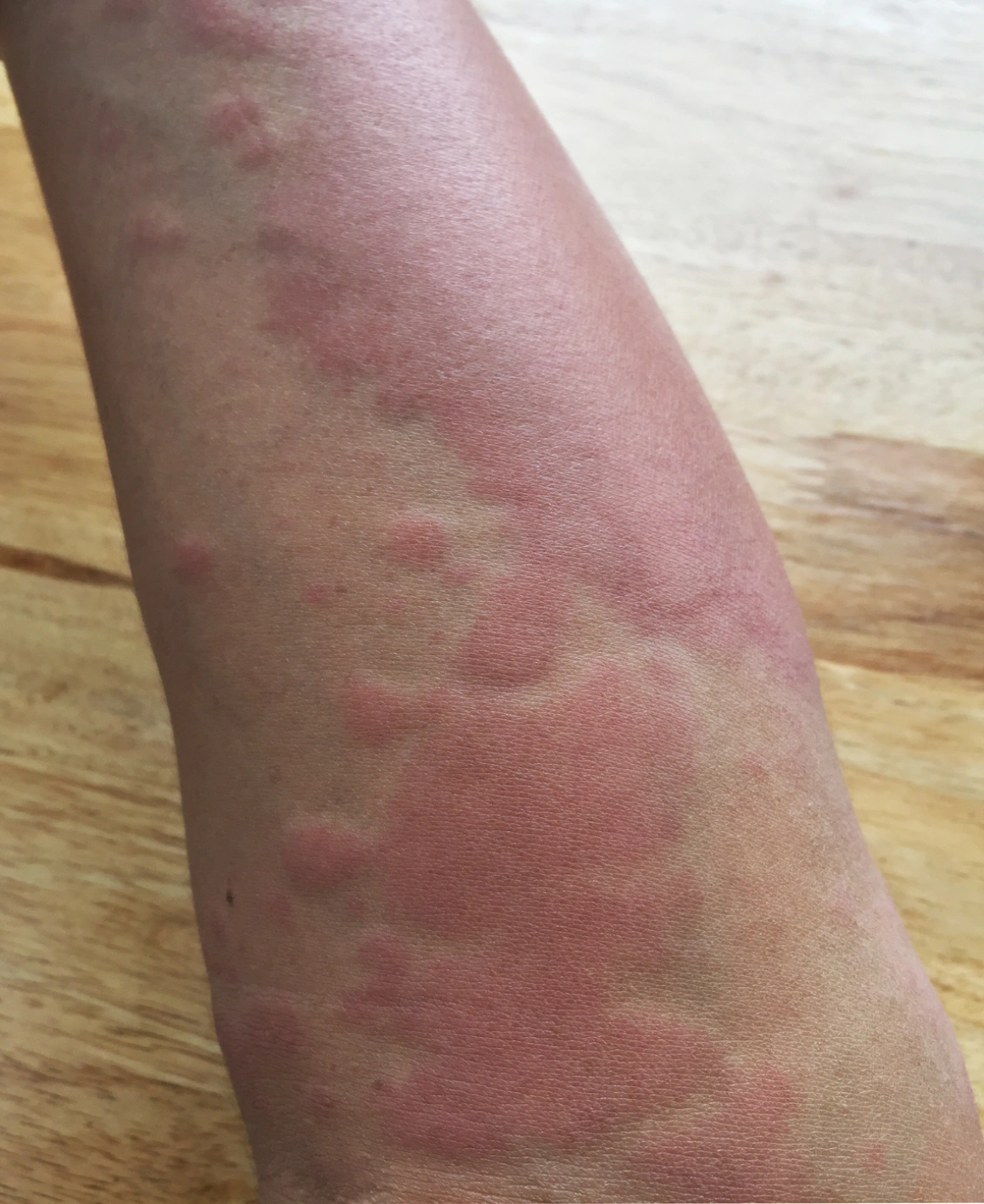
Raised, red welts or hives (with or without a trigger)
Swelling of the lips, hands, or face
Reactions to heat, pressure, stress, or unknown exposures
Cycles of symptom improvement and relapse
How GAIN Can Help
At GAIN, we don’t minimize your symptoms — we investigate them. Dr. Jones has deep experience treating immune-related chronic fatigue, especially when triggered by infections like COVID or EBV.
Our approach may include:
Identifying and eliminating root triggers
Personalized antihistamine or biologic therapy
Low-histamine or anti-inflammatory nutrition guidance
Stabilizing mast cell activity when relevant
Skin barrier support and long-term maintenance plans
Lung function testing and prevention strategies for asthma flares
No one-size-fits-all protocols — just care that’s built around your pattern.
Why Patients Choose GAIN
We treat chronic symptoms with long-term solutions, not quick fixes
Specialty experience in both pediatric and adult cases
Integrated care across skin, lungs, and immune function
In-person and telehealth access for convenience and continuity
No referral required, no judgment, no dismissal

These symptoms may be common — but they’re not “normal.”
Let’s work together to stop the cycle and get you relief that lasts.
Book your consultation today.

Frequently Asked Questions
Here are some common questions about our telehealth services and how we operate.
In most cases of chronic spontaneous urticaria (CSU), the exact cause is unknown — which is why it’s called “spontaneous.” However, research has shown that CSU is often driven by autoimmune mechanisms, where the body’s immune system triggers mast cells to release histamine without an external allergen. Factors such as stress, infections, hormonal changes, and certain medications can worsen episodes.
Chronic urticaria is defined as hives occurring most days of the week for six weeks or longer. For many patients, CSU resolves within one to five years, but the timeline varies significantly. Some patients experience shorter episodes while others have symptoms that persist for many years, which is why ongoing specialist care and treatment adjustment is important.
First-line treatment for CSU is second-generation antihistamines, often at higher-than-standard doses under physician guidance. If antihistamines alone aren’t sufficient, additional options include omalizumab (Xolair), a biologic injection that targets the IgE pathway, and other immunomodulatory medications. GAIN develops personalized treatment plans based on each patient’s symptom severity and response to initial therapy.
You should consider seeing an allergist or immunologist if your hives have lasted six weeks or longer, aren’t responding to over-the-counter antihistamines, or are significantly affecting your quality of life. A specialist can evaluate whether an underlying immune condition is contributing to your hives and offer advanced treatments beyond standard antihistamines. GAIN offers telehealth consultations nationwide for patients with chronic hives.
Your Healing Journey Starts Here
Book your consultation with Dr. Doug Jones and discover the relief you deserve today.




.png)